If your current home no longer fits your lifestyle, you’re probably asking:
Should I move to a new house or build a home addition?
This is one of the most common questions homeowners face in Connecticut – especially in high-demand areas like Stamford, Norwalk, Newtown, Fairfield, and Greenwich.
With rising home prices, limited inventory, and increasing interest rates, moving isn’t always the best option. In many cases, expanding your existing home can be a smarter and more cost-effective solution.
When Moving Makes Sense
Moving may be the right choice if your current home cannot support an addition or if your needs require a completely different type of property.
Moving might be better if:
✔ You need a different location (closer to work, schools, etc.)
✔ Your lot size or zoning restrictions limit expansion
✔ The home requires major structural changes beyond an addition
✔ You’re ready for a completely new layout or lifestyle
However, moving comes with significant costs and challenges.
Hidden Costs of Moving in Connecticut
Many homeowners underestimate the true cost of relocating.
Typical expenses include:
- Realtor commissions (5–6% of home price)
- Closing costs
- Moving services
- Property taxes and insurance changes
- Potential renovations in the new home
In competitive markets like Fairfield County, home prices are high, making upgrading to a larger home significantly more expensive.
When a Home Addition Is the Better Option
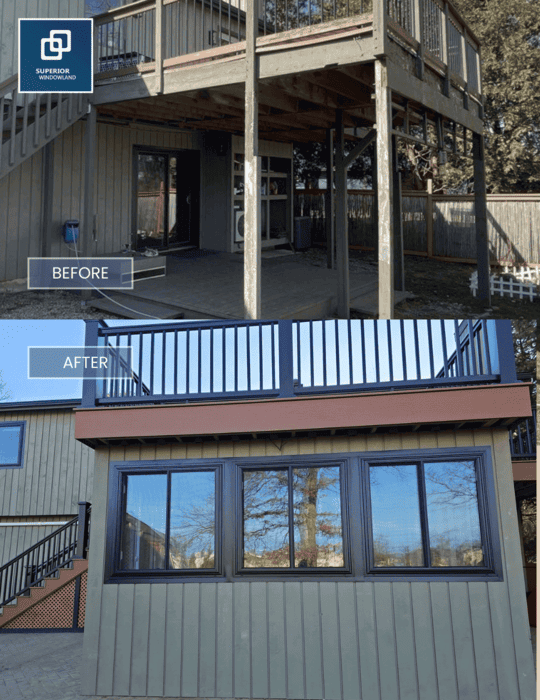
For many homeowners, building an addition is the more practical and financially sound choice.
A home addition may be better if:
✔ You love your current location
✔ You need more space but not a completely new home
✔ You want to increase property value
✔ You want to customize your living space
Homeowners in Stamford, Norwalk, and Greenwich often choose additions to avoid leaving desirable neighborhoods.
Benefits of Building a Home Addition
1. Stay in the Neighborhood You Love
No need to leave your community, schools, or commute.
2. Increase Property Value
Adding square footage is one of the most effective ways to boost home value in Connecticut.
3. Customize Your Space
Design your home exactly how you want it.
4. Avoid Moving Stress
No packing, relocating, or adjusting to a new environment.
5. Cost Efficiency (in Many Cases)
Compared to buying a larger home, additions can be more affordable.
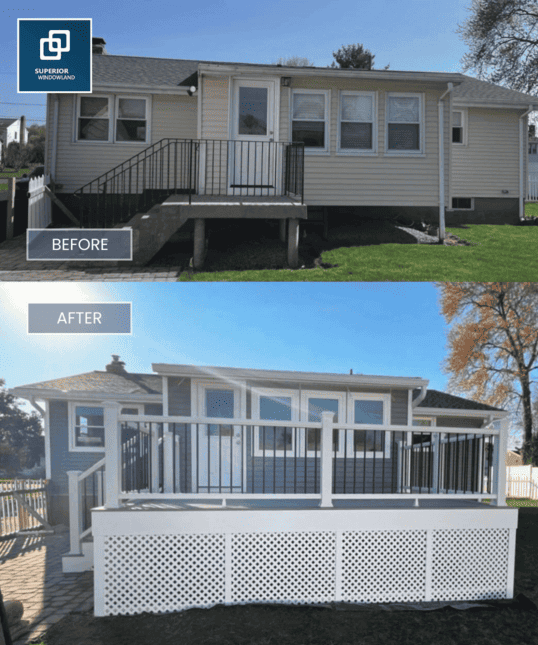
Cost Comparison: Move vs Build
Moving Costs:
- Realtor fees: $20,000–$50,000+
- Closing costs: 2–5%
- Higher mortgage rates
- Moving expenses
Home Addition Costs:
- Average: $150–$400 per sq. ft.
- Total: $30,000 – $150,000+ depending on project
👉 In many cases, a home addition provides more value for the cost.
What Type of Addition Should You Consider?
Common options include:
- Room additions
- Second-story additions
- Sunrooms
- Garage additions
- Kitchen expansions
👉 The best option depends on your home layout and goals.
Working with an experienced home additions contractor in Connecticut can help you choose the right solution.
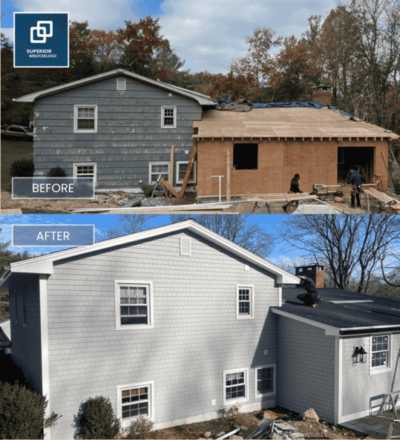
How Long Does It Take to Build an Addition?
Typical timeline:
- Planning & permits → 2–6 weeks
- Construction → 8–16 weeks
While moving may seem faster, finding the right home in Connecticut’s market can take months.
Is a Home Addition Worth It in Connecticut?
Yes – especially in high-value areas like Fairfield County.
Many homeowners see strong returns on:
✔ Master suite additions
✔ Kitchen expansions
✔ Additional living space
Adding square footage can significantly increase resale value.
Work With a Trusted Contractor
If you’re considering expanding your home, choosing the right contractor is key.
At Superior Windowland, we provide full-service home additions in Connecticut, including design, permits, and construction.
👉 Explore ourHome Additions services to see how we can help transform your home.
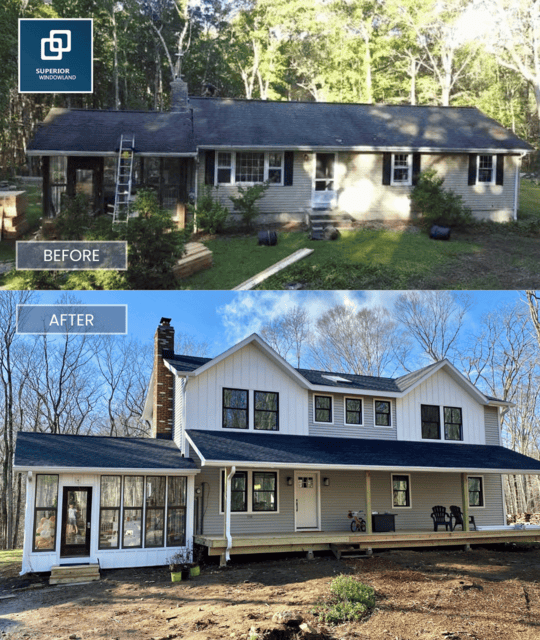
Why Choose Superior Windowland for Addition Services In Connecticut?
✔ Experienced home addition contractors
✔ Licensed and insured in Connecticut
✔ Full-service design and construction
✔ High-quality materials and craftsmanship
✔ Transparent pricing and timelines
Areas We Serve
We proudly serve homeowners in Stamford, Norwalk, Newtown, Fairfield, Greenwich, and surrounding communities.
Start Your Home Addition Project in Connecticut
📞 Contact Superior Windowland today to schedule a consultation and get a personalized estimate for your Connecticut home addition project, don’t hesitate to fill out the online form on our website for a no obligation assessment.
Frequently Asked Questions
❔ How Much Does a Home Addition Cost in Connecticut?
💬 The cost of a home addition in Connecticut typically ranges from $150 to $400 per square foot, depending on the project size, materials, and structural complexity.
For accurate pricing Contact Superior Windowland, our team provides personalized estimates based on your home and project goals.
❔ Do Home Additions Increase Property Value?
💬 Yes. A well-designed home addition can significantly increase a home’s market value.
Some of the most valuable additions include:
✔ Master suites
✔ Expanded kitchens
✔ Additional bathrooms
✔ Sunrooms and living spaces
In competitive real estate markets like Fairfield County, additional square footage often results in strong returns when selling a home.
❔ How long does a home addition take?
💬 Most home additions take 8–16 weeks, depending on size and complexity. Larger structural additions may take longer.
❔ Do I need permits for a home addition in Connecticut?
💬 Yes. Most home additions require permits and inspections to ensure safety and compliance with local building codes.
Our team helps manage the permitting process.
❔ Can a home addition match my existing house design?
💬 Absolutely. Our goal is to create additions that blend seamlessly with your existing architecture, siding, roofing, and windows.
❔ Is it cheaper to move or build an addition?
💬 In many cases, building a home addition is more cost-effective than moving, especially in high-value Connecticut real estate markets.